The Farm House at Africa University

Old Mutare, Zimbabwe

January-May 2012


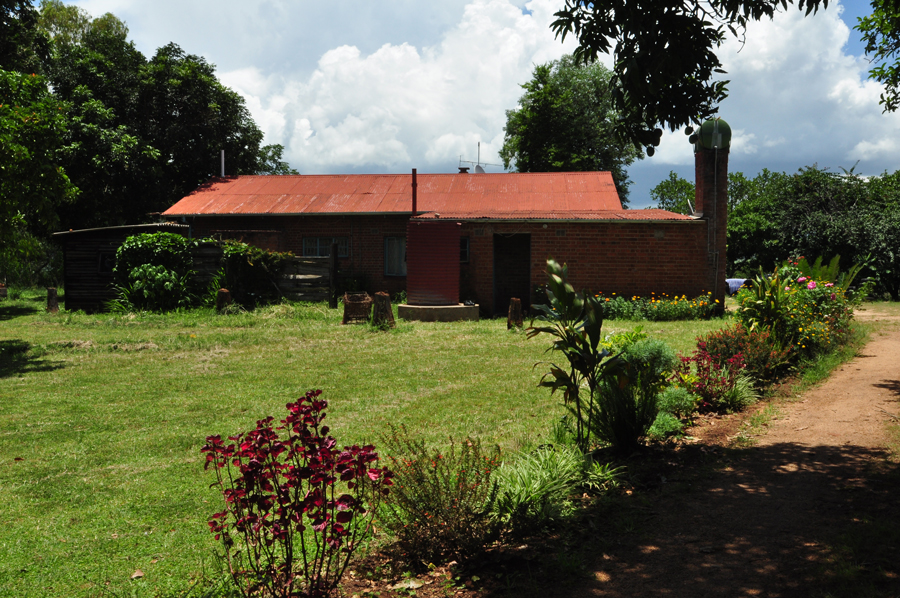
Driveway to the back of the Farm House.

The extension on the right is an appartment for an AU worker.
The outside shower is hidden by the fence with vines.
GR's bedroom window is just to the left of the reddish water tank in the center.


History of the AU Farm House:
Officially called the Guest House, this house is available for guests of the University. Most long-term visitors prefer to reside in one of the many faculty houses or apartments near the campus entrance. Others including Maggie Freeze (visiting lecturer in Heath Sciences) stay in the AU apartments in Mutare some 10 miles away across Christmas Pass.

The Guest House abuts the Africa University farm fields and is a bit isolated from the campus. For a time the house was home to Bishop Abel Muzorewa and his family. Bishop Muzorewa became the first black Methodist Bishop of Southern Rhodesia and was one of the organizers of the ANC which became a very important politcal entity during the struggle for independence from the United Kingdom. For a short time, Bishop Muzorewa served as the first Prime Minister of the newly independent Zimbabwe. The Bishop and his wife are buried in the Old Mutare Cemetery. The Bishop's Grave is a fitting tribute to the man.

Ab and Chris have stayed in all of the types of visitor's housing during their six semester of volunteering at AU. They prefer the Farm House for its proximity to the bat caves and livestock area and access to the undeveloped areas of the AU campus.


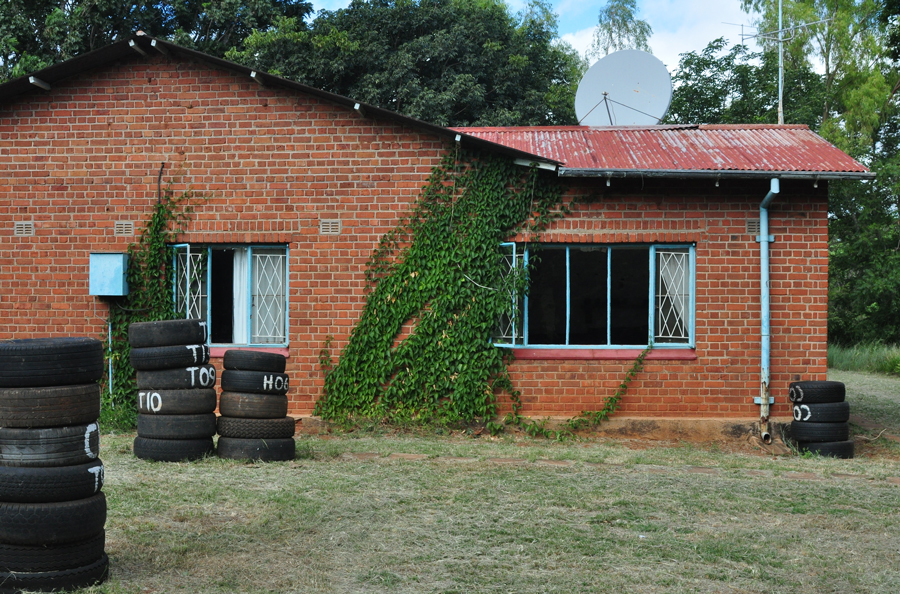
Side view with dining room window (left) and one of the living room windows.

The yard had dozens of labeled tires. No one seems to know why.


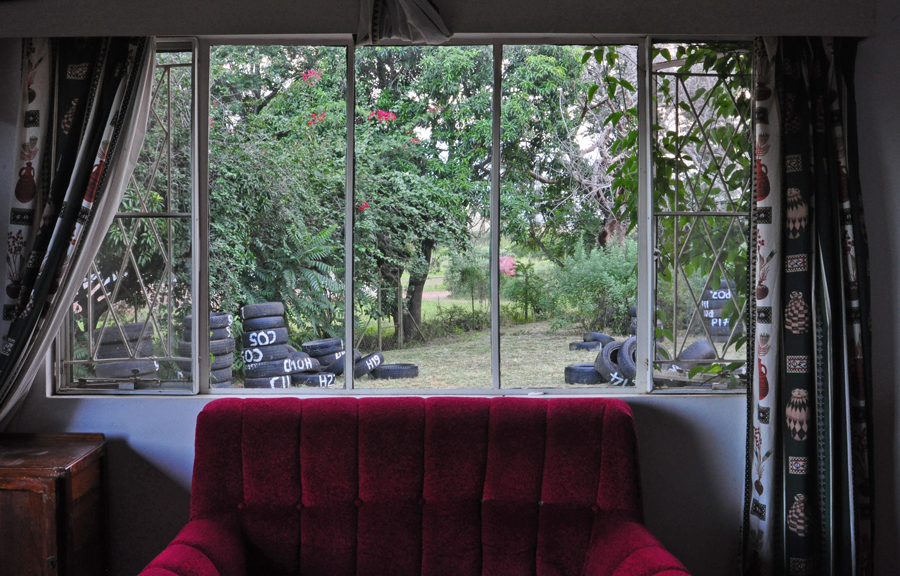
From the living room to the side yard with the tires.


View of the side yard


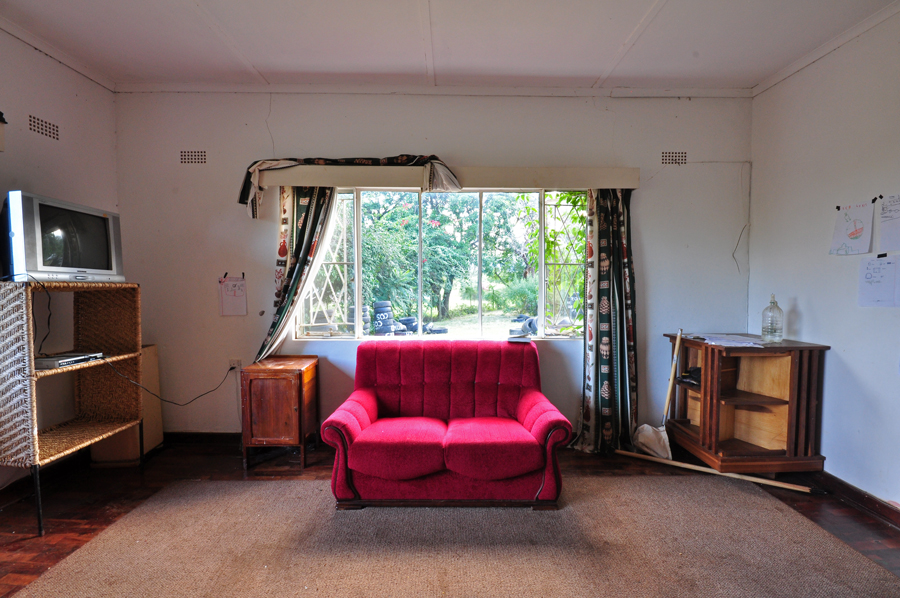
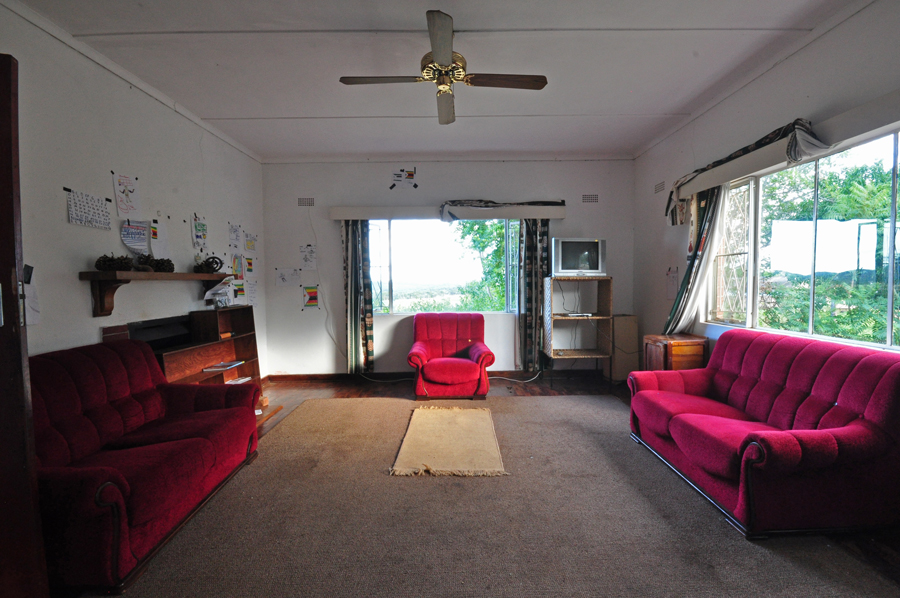
Living room with two picture windows.
The window in the center has a view over the AU Farm fields and of Mount Chiremba.
Drawings by the Farm Kids are taped to the walls.


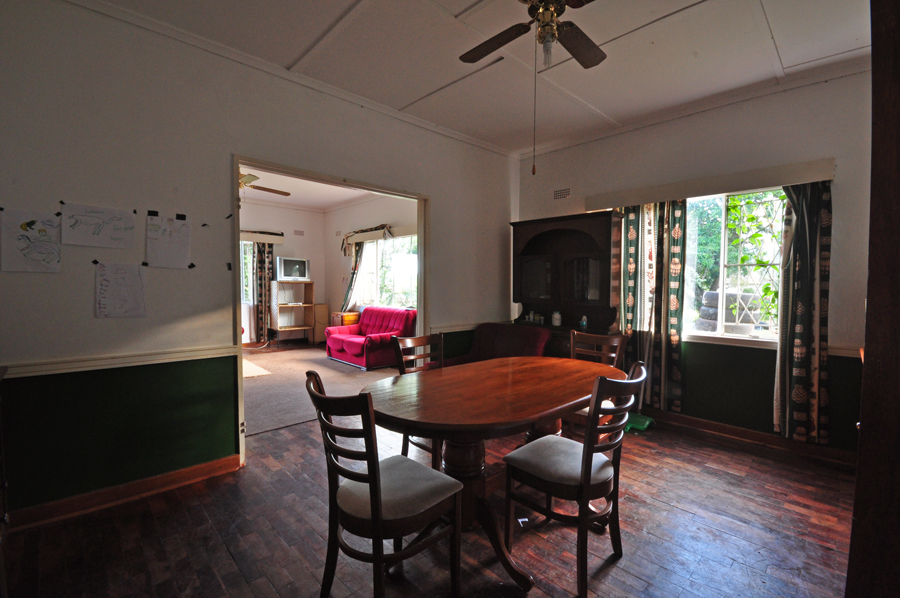
The Dining Room


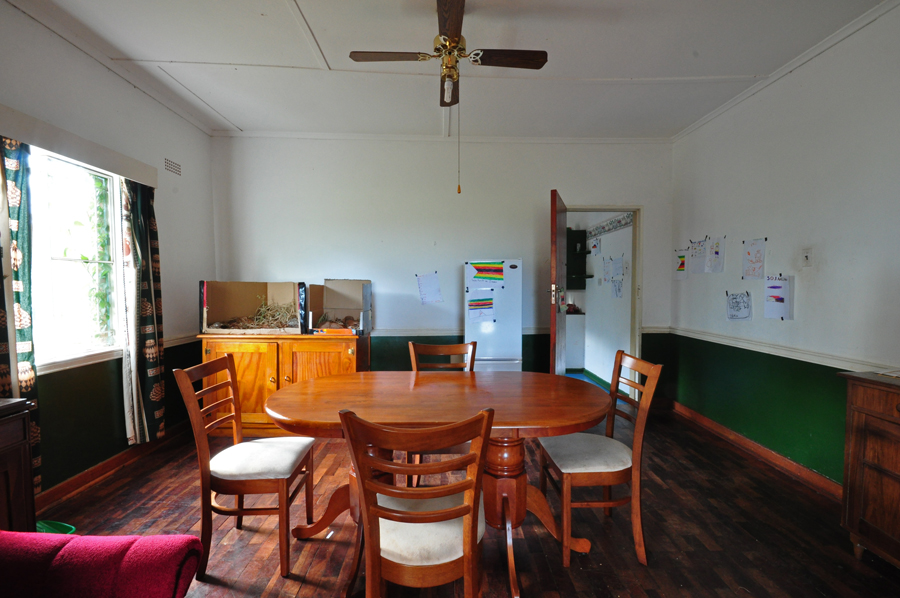
Dining room with small refridgerator.

The two cardboard enclosures on the left cabinet have soil, rocks and vegetation for
photographing critters in naturalistic settings.


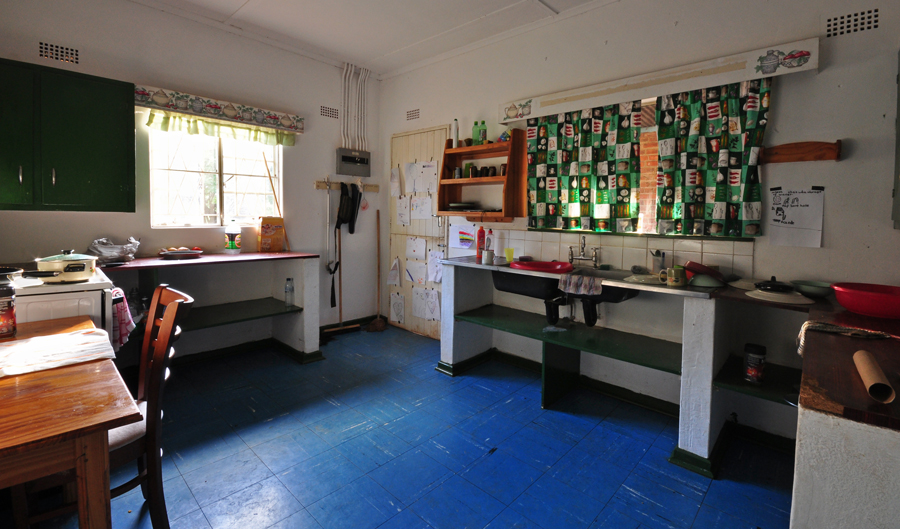
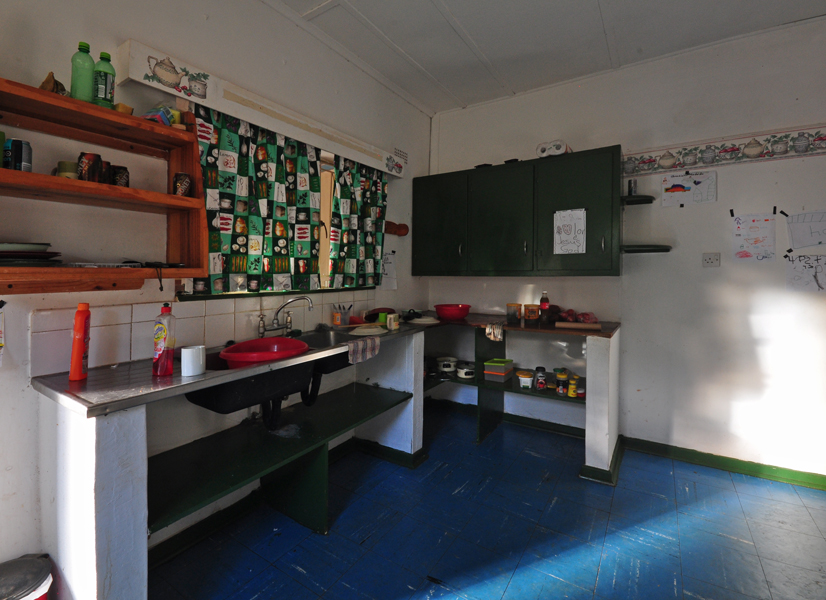
The Kitchen.

The back door opens to a space between the Farm House and the Apartment attached to the rear.


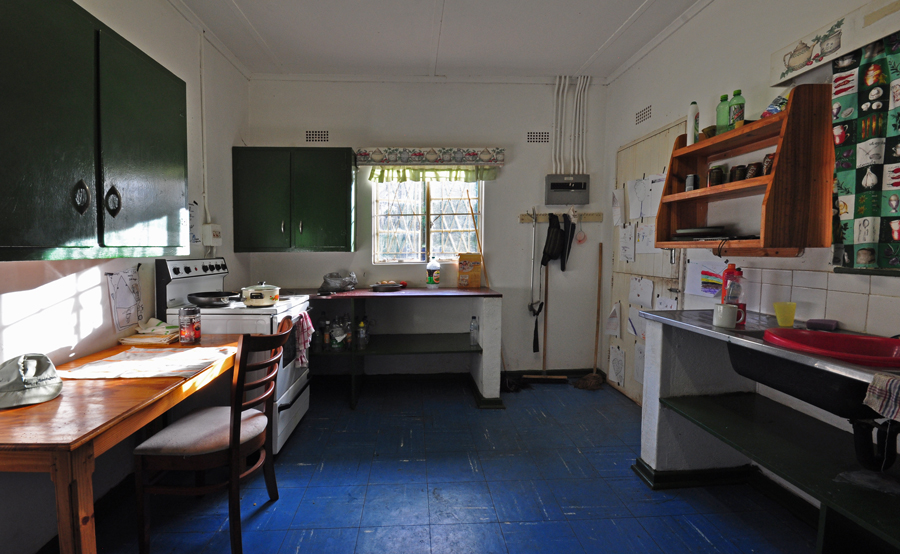
Kitchen # 2


In this photo, the kitchen appears wider than it actually is.


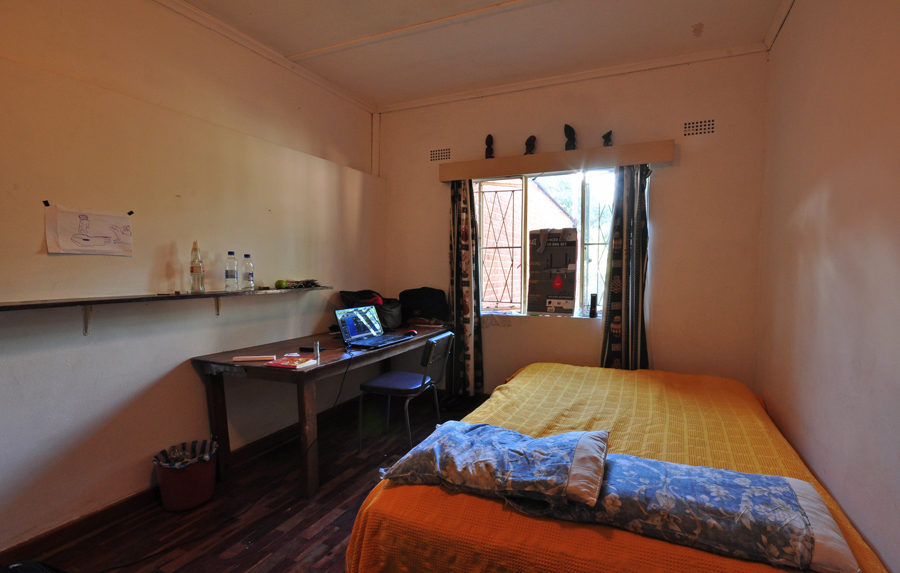
GR's bedroom.

The cardboard panel in the window blocks the bathroom light from the back apartment.
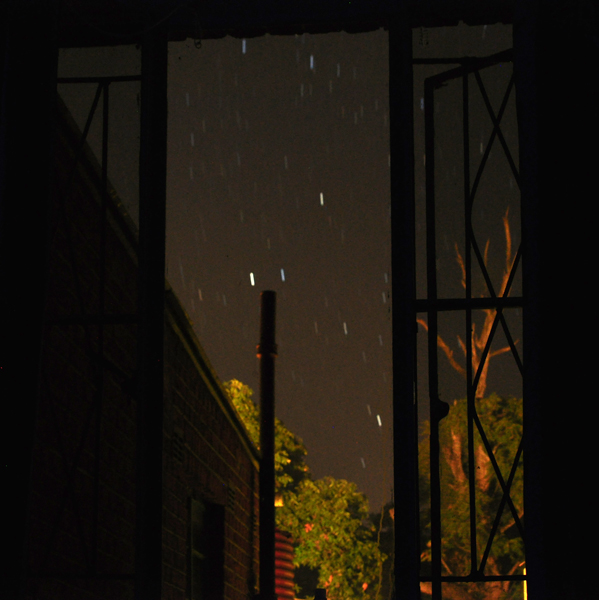
In this configuration, GR could look out to a night sky full of stars!


From GR's pillow at 4 am


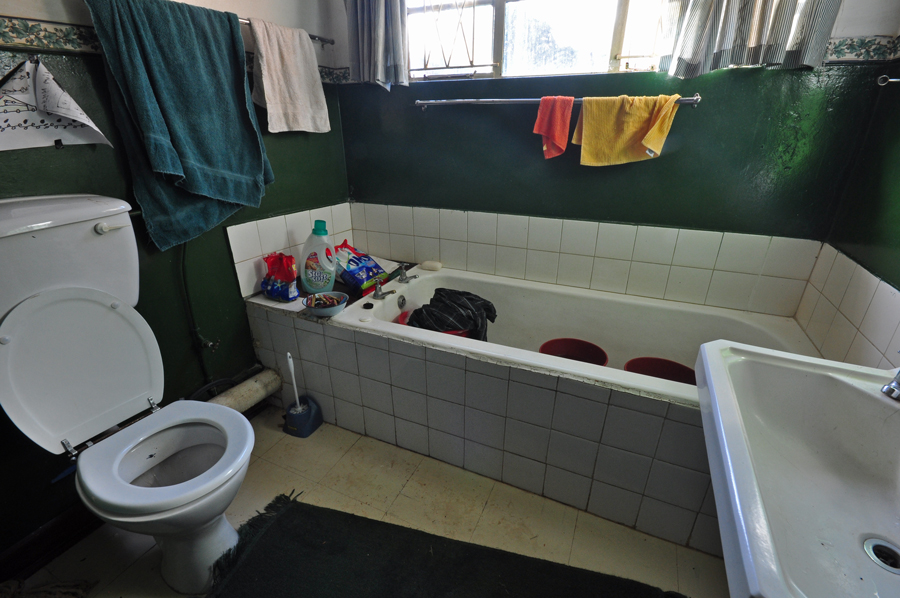
The big bathroom.
There was hot and hotter (no cold) running water in the bathroom.
Laundry was done by hand in the plastic buckets.
There were two clothelines outside.


Not shown: A central sitting room, two other bedrooms and a half bathroom.


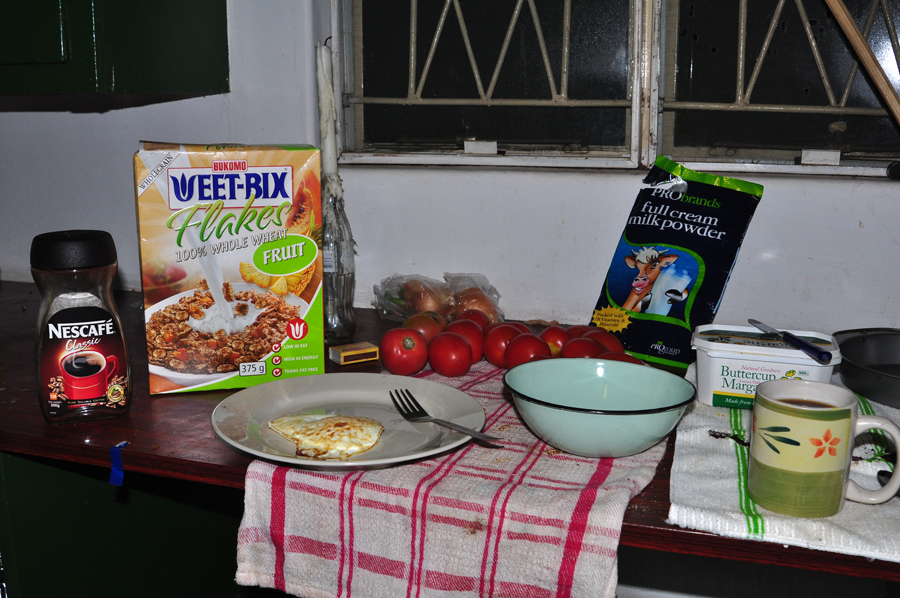
GR's usual breakfast

Nescafe (a poor substitute for real coffee), a fried egg, Weet-bix cereal with powdered milk.
The tomatoes were Ab and Chris's usual supper.
A candle with matches was always nearby in case of (frequent) power outages.


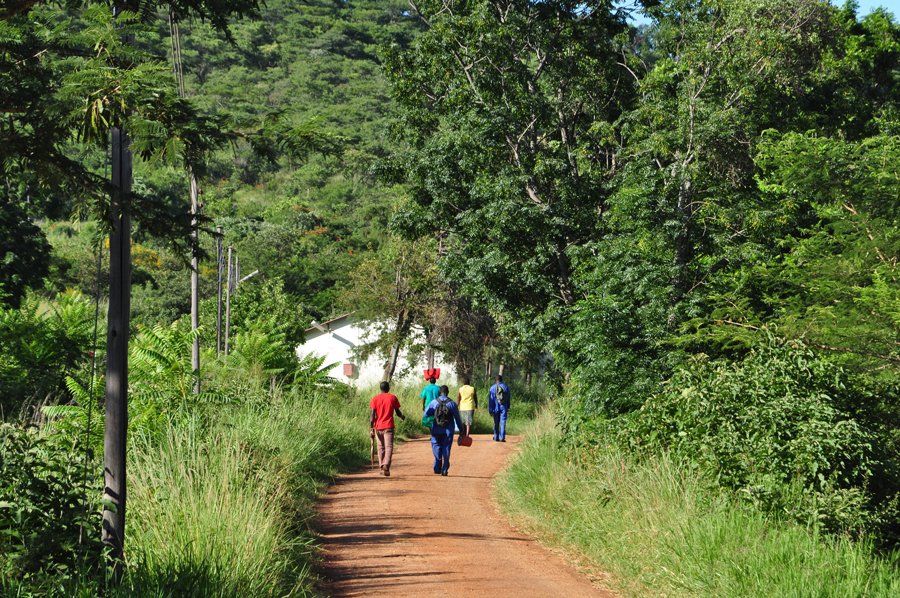
Walking to work


The AU Farm House is about half a mile from the academic campus along a one-lane gravel road.
Workers who live on the farm and others walking from Tsvingwe several kilometers to the east share this road.


Changing with the season

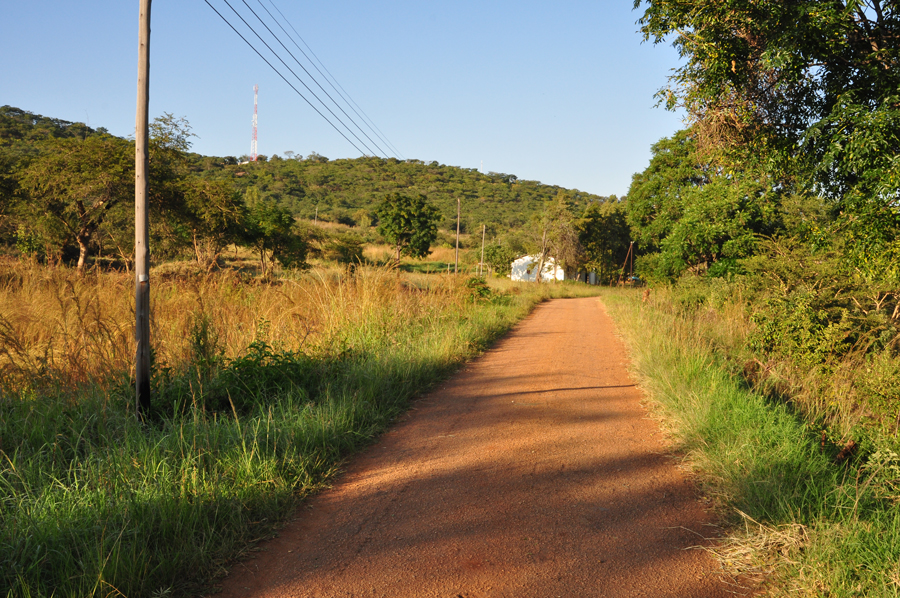
With the arrival of cooler weather in April, the plants relinquished their green.
Farm workers slashed the tall grass and cut down several trees along the gravel road.
Those tree trunks will become firewood to cook sadza and chicken for the dining hall.


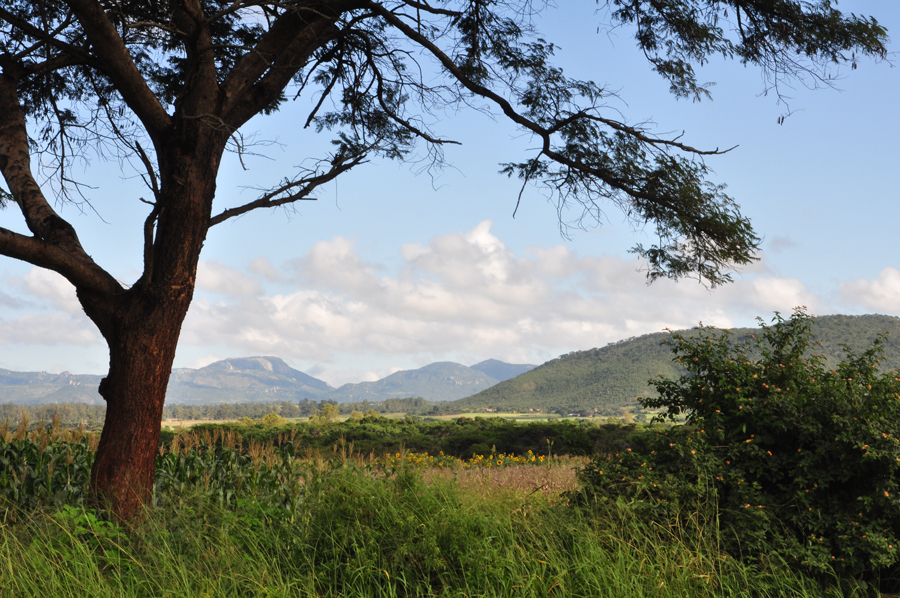
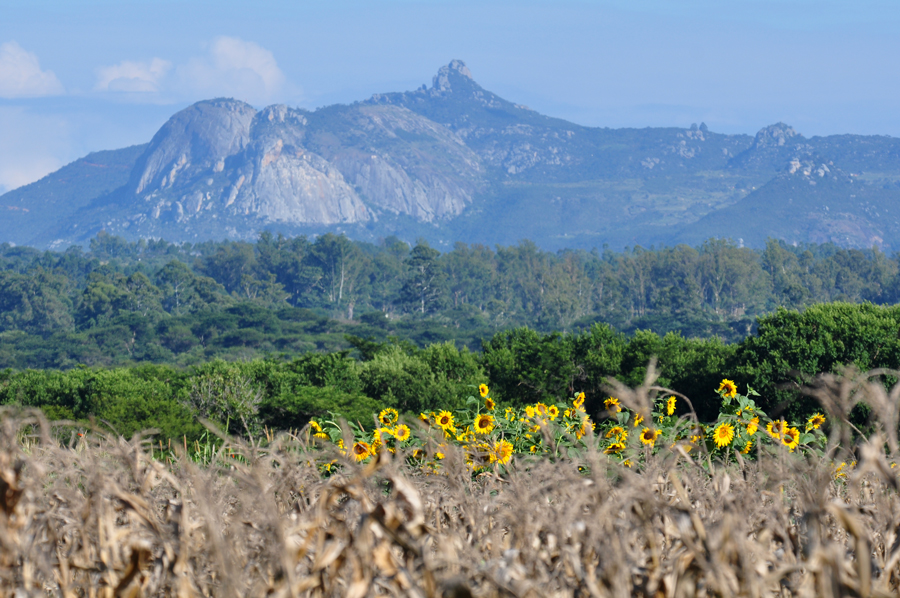
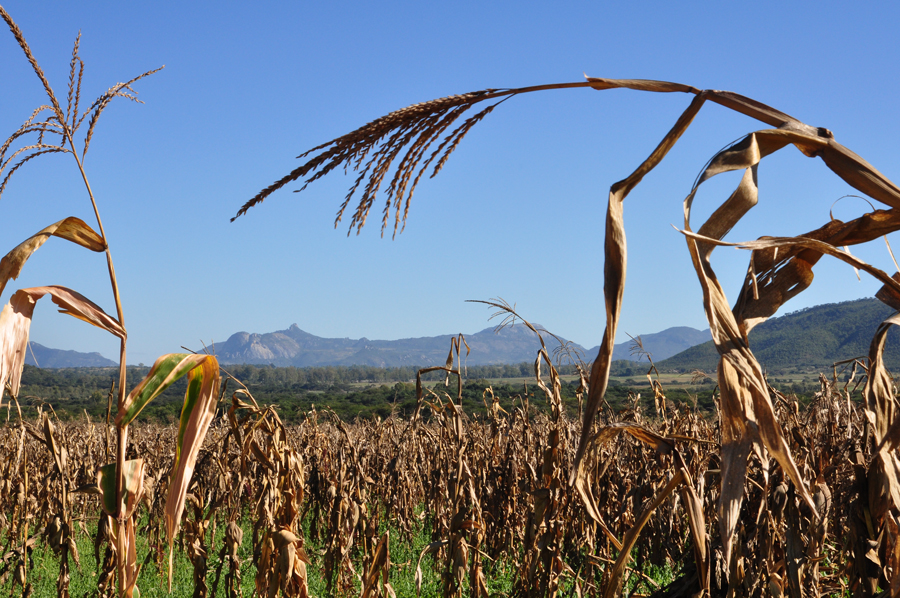
The gravel road takes you past the farm fields adjacent to the campus with views the the mountains to the north.


Fields, forests and mountains


Can't help it!


This webpage was supposed to be about the Farm House at Africa University but I just had to
show you a few pictures of along the walk from the house to the campus.
What a pleasure to stroll this route at least twice a day on foot, enjoying the scenery along the way!
After a month or so, I knew the path so well that even walking under a moonless night sky,
I didn't need (or even want) a torch (the Zimbabwean term for "flashlight.")

Clearly the scenery is worthy of an entire website, so here are
more views of the fields and mountains.


Roommates

GR, Ab, Chris, and Phillip weren't the only residents of the Farm House.
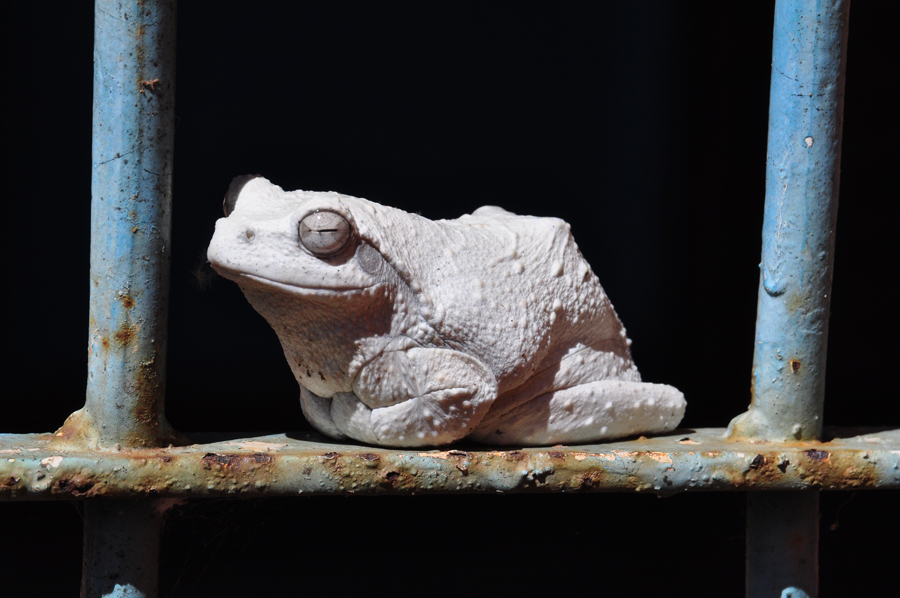
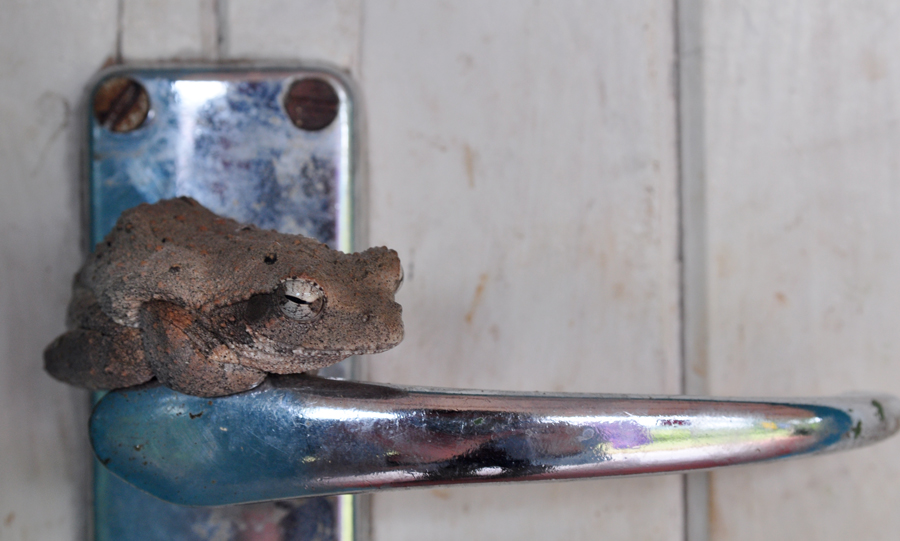
This frog and others like him stayed near the back porch to feast on insects drawn to the night light.


Same species of frog perched on the front door handle.


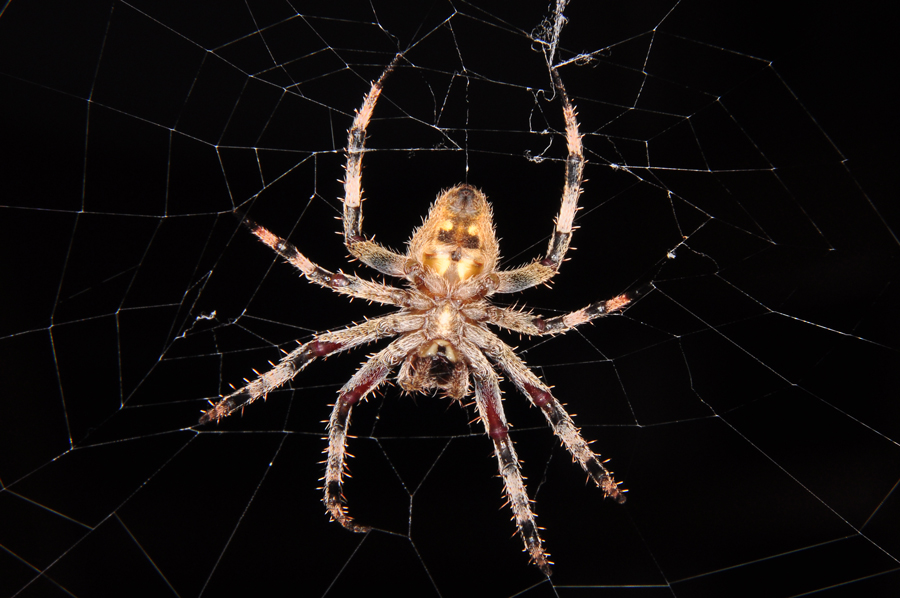
Breakfast spider

Overnight this lovely spider had spun her web from the ceiling to the dining room table.


Not Pictured

Not pictured: A large mouse/small rat would often appear in the dining room at night
when the smell of popcorn became irresistable. Ab and Chris dubbed this critter "Gonzo."

Not pictured: Numerous flat spiders that hid in the moldings at the junction of walls and ceilings.

Not pictured: Several geckos that fed on the flat spiders or legs thereof if they couldn't get the whole spider.
(Ab and Chris saw a 3-legged flat spider, what they figured was the minimum for existence as a wall-climber.)

Not pictured: The 2 ft long baby python that GR caught just inside the front door when going out to shower one night.
A couple of weeks earlier Randy Babb and Phillip went to Tsvingwe where the collected nine baby pythons and brought
them back to the Farm House for weighing, measuring, and photographing. When they were finished, there were only
eight baby pythons and some puzzlement about what happened to the ninth. Eight snakes were return to the wild. The ninth
presumably had been living in the farm house until the night it was captured by GR.

Not pictured: The unseen largish critter that romped in the attic at night.

Not pictured: Numerous red toads that made it necessary to use a torch (flashlight) when walking to the bathroom in the
middle of the night. The red toads seemed to prefer the bathroom with the tub.

Not pictured: Either a Hipposideris or Sundval's Leaf-nosed bat that terrorized the Wofford students
in the sitting room one night. After many laps around the ceiling, it was captured by tossing raincoats into
its path. After a few photographs of its tiny needle-sharp teeth, it was released outside.
Bats were very common from January to March when the nights were warm.
Bats would patrol outside to snag insects attracted to lights. By early May, Ab and Chris found that
most of the bat caves were empty. Only a few bats visited the Farm House on those chilly May nights.

Not pictured: Dozens of critters including snakes that were captured by Randy, Ab, and Chris and
held in the house long enough to be photographed in the cardboard enclosures.
The list includes pythons, cobras, bats, a centipede eater (a type of snake), chameleons, tiger beetles, praying mantids and so forth.

Pictures and descriptions of a few critters photographed in the cardboard enclosures.